
The Albatross as Moral Measure
The Rime of the Ancient MarinerThis flow explores how the Albatross changes from welcomed companion into a test of judgment, a burden of guilt, and a lasting moral emblem.
increasing Bearing strength in each event
 decreasing
Bearing strength in each eventdecreasingA Creature Welcomed
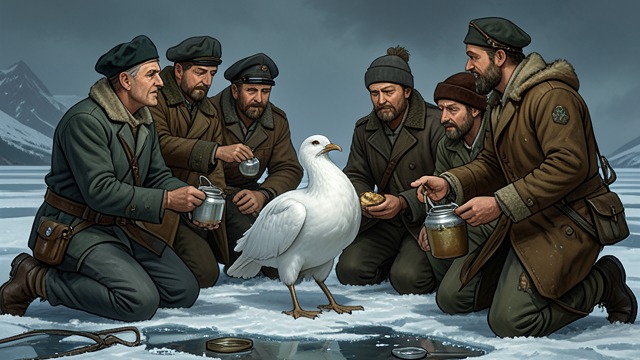
A Creature Welcomed
Fellowship in Danger
The crew greets the Albatross in God’s name and shares food with it. In an inhospitable landscape, the bird receives hospitality rather than suspicion.
Value Beyond Utility
Although its arrival coincides with escape from the ice, the sailors also welcome its company. The episode introduces a creature as a participant in a moral relationship.
An Arbitrary Destruction
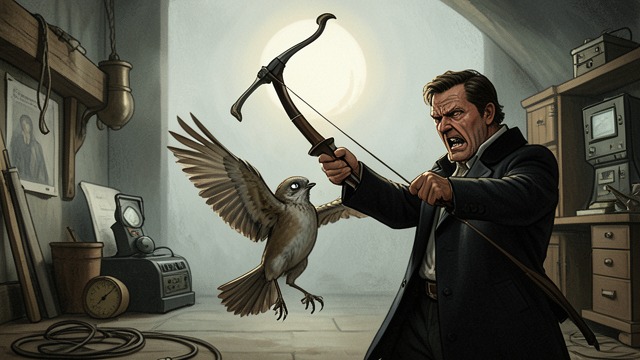
An Arbitrary Destruction
The Crossbow Shot
The Ancient Mariner kills the Albatross after the bird has accompanied the ship. The poem supplies no clear benefit or necessity to explain his action.
A Test Failed
The shooting measures the distance between receiving another creature and recognizing its worth. It begins the moral crisis that shapes the rest of the voyage.
Guilt Made Material
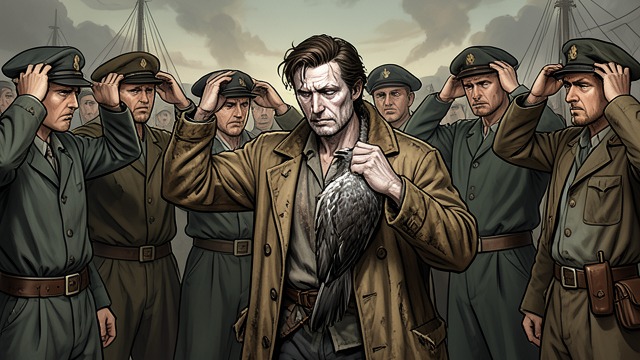
Guilt Made Material
The Bird Around His Neck
The Albatross is hung around the Ancient Mariner’s neck after the crew alternates between blaming and approving him. The dead bird becomes an unavoidable sign.
Responsibility Persists
The crew’s changing opinion cannot settle the moral question. The burden remains attached to the killer regardless of the sailors’ convenience-driven verdicts.
A Blessing Changes the Sign
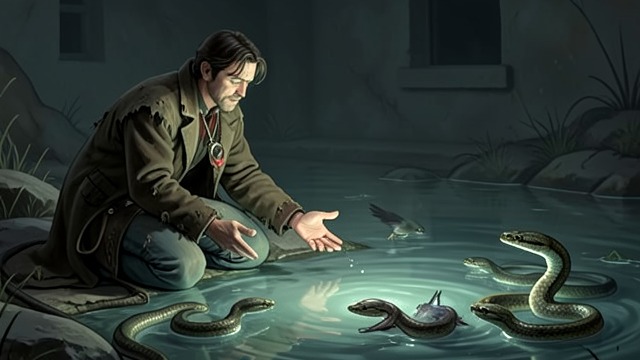
A Blessing Changes the Sign
Love Arises Unbidden
The Ancient Mariner sees beauty in the water-snakes and blesses them without planning to. His attention has shifted from self-pity toward another form of life.
The Burden Falls
The Albatross sinks from his neck immediately afterward. The gesture marks a change in moral perception, not the erasure of the harm already done.
A Warning for the Listener
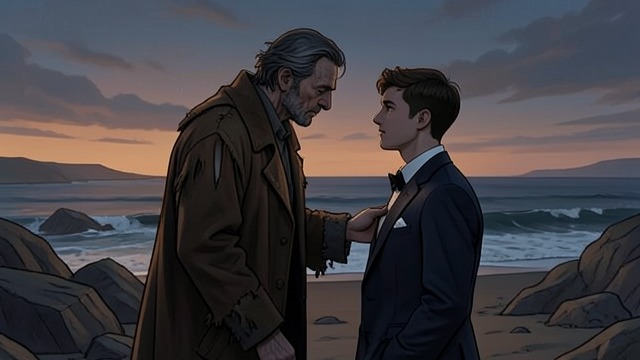
A Warning for the Listener
The Lesson Widens
The Ancient Mariner instructs the Wedding-Guest to love humans, birds, and beasts. His words directly answer the earlier destruction of the Albatross.
Symbol and Consequence
The bird’s story becomes a warning against treating living creatures as disposable. The Mariner’s burden endures as memory, even after the physical body falls away.
When the Albatross emerges through the fog
At the end of the first part
After the sailors’ verdicts shift
After the Mariner watches the water-snakes
At the final moral address
